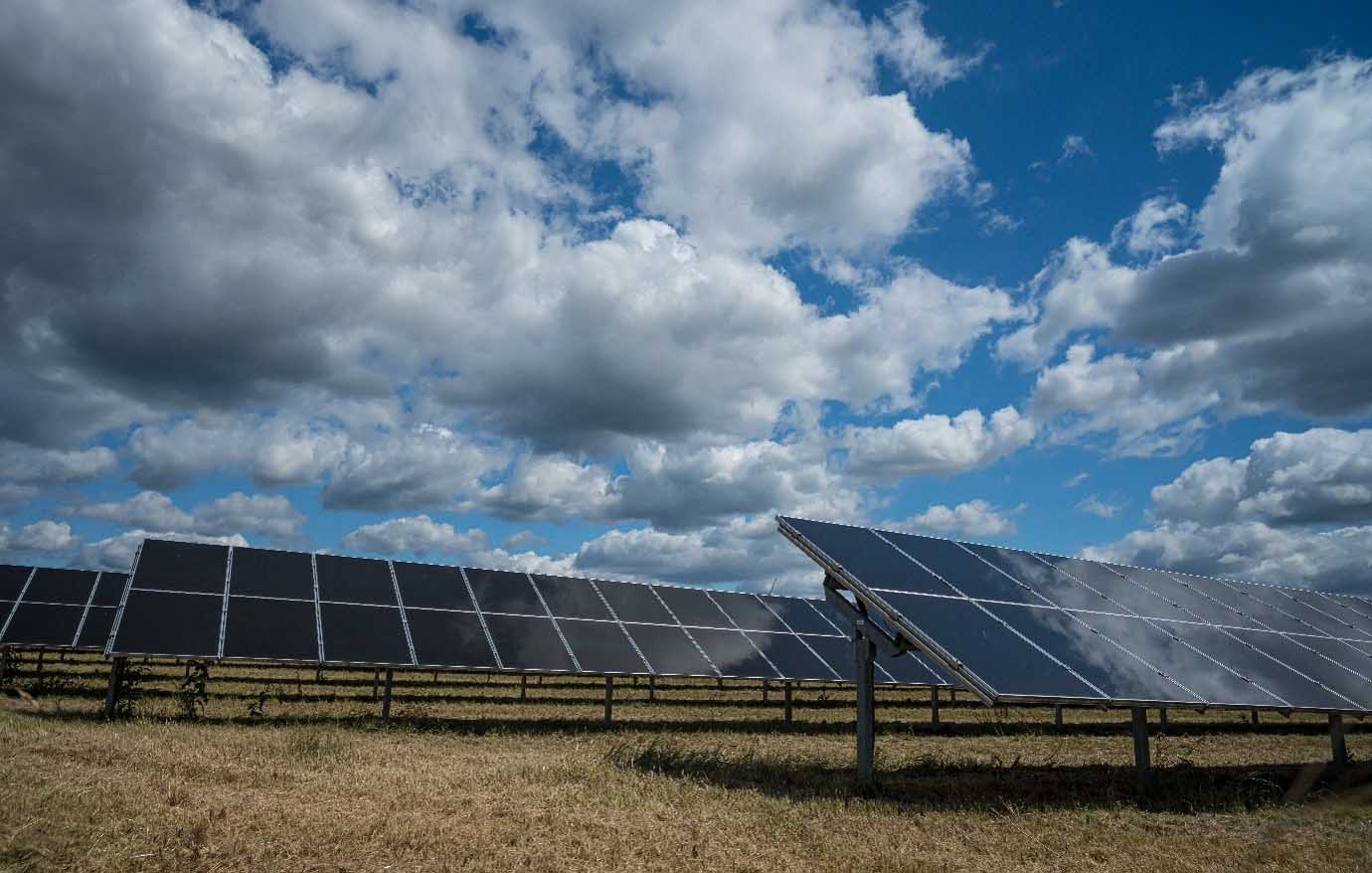
Can Heavy Rain Damage Solar Panels?
Monsoon season brings heavy rain, strong winds, and cloudy weather, making many homeowners wonder: can rain damage solar panels? Solar energy systems are built for outdoor conditions, but understanding monsoon protection helps maintain long-term efficiency. Modern solar systems are designed to handle changing weather conditions. Proper installation and solar panel protection during monsoon help ensure reliable energy generation even during rainy seasons.
Can Rain Damage Solar Panels?
Many homeowners search for information on whether rain can damage solar panels because they are concerned about weather-related damage. The good news is that modern solar panels are built to resist rain and moisture.
- Solar panels are manufactured with weather-resistant materials.
- Protective glass layers shield panels from rain exposure.
- Waterproof sealing protects internal electrical components.
- Proper installation reduces water leakage risks.
- Quality solar systems are designed to withstand challenging weather conditions.
- Routine inspections improve long-term durability.
Heavy rainfall itself is usually not the problem. Installation quality and maintenance play a bigger role.
Common Monsoon Challenges for Solar Systems
Although rain alone rarely causes damage, monsoon weather can create challenges.
- Reduced sunlight during cloudy days
- Dirt and debris build-up after storms
- Loose mounting structures from strong winds
- Water leakage caused by poor installation
- Electrical issues from neglected maintenance
Following proper solar panel protection during monsoon practices helps reduce these risks.
Solar Panel Protection During Monsoon: Essential Tips
Homeowners can strengthen solar panel protection during monsoon by following simple maintenance practices.
- Inspect solar panels before rainy seasons.
- Inspect wiring and electrical connections regularly.
- Ensure drainage systems remain clear.
- Remove debris after storms.
- Monitor inverter performance consistently.
- Schedule professional maintenance inspections.
- Inspect mounting structures for stability.
Proper care improves system reliability and supports solar panel protection during monsoon.
Signs Your Solar System Needs Attention During Monsoon
Regular monitoring helps homeowners identify problems early and maintain better solar panel protection during monsoon. Watch for these warning signs:
- Sudden drops in solar energy production
- Water leakage near electrical components
- Dirt accumulation affecting panel efficiency
- Loose mounting structures after storms
- Warning indicators from the inverter
- Reduced system performance during normal weather
People asking if rain can damage solar panels often discover that early maintenance prevents bigger problems.
Recommended Maintenance Actions
| Maintenance Area | Recommended Action | Benefit |
|---|---|---|
| Solar Panels | Remove dirt and debris | Better efficiency |
| Wiring | Inspect electrical connections | Improved safety |
| Mounting Structure | Check stability | Better storm protection |
| Drainage System | Prevent water accumulation | Reduced moisture risks |
| Inverter | Monitor performance | Reliable operation |
Can Heavy Storms Affect Solar Systems?
Heavy storms can impact solar systems if installation quality is poor. Strong winds may loosen mounting structures if not properly secured. Flying debris during storms can potentially damage solar panel surfaces. Water leakage risks increase when electrical protection is inadequate.
Professional installation improves long-term durability. Quality solar panels are built to withstand challenging outdoor weather. Regular inspections help maintain system performance.
Homeowners searching can rain damage solar panels can feel reassured knowing modern solar technology is built for weather resistance. Proper maintenance, regular service, and solar panel protection during monsoon help maintain performance, durability, and energy efficiency for long-term solar system reliability.