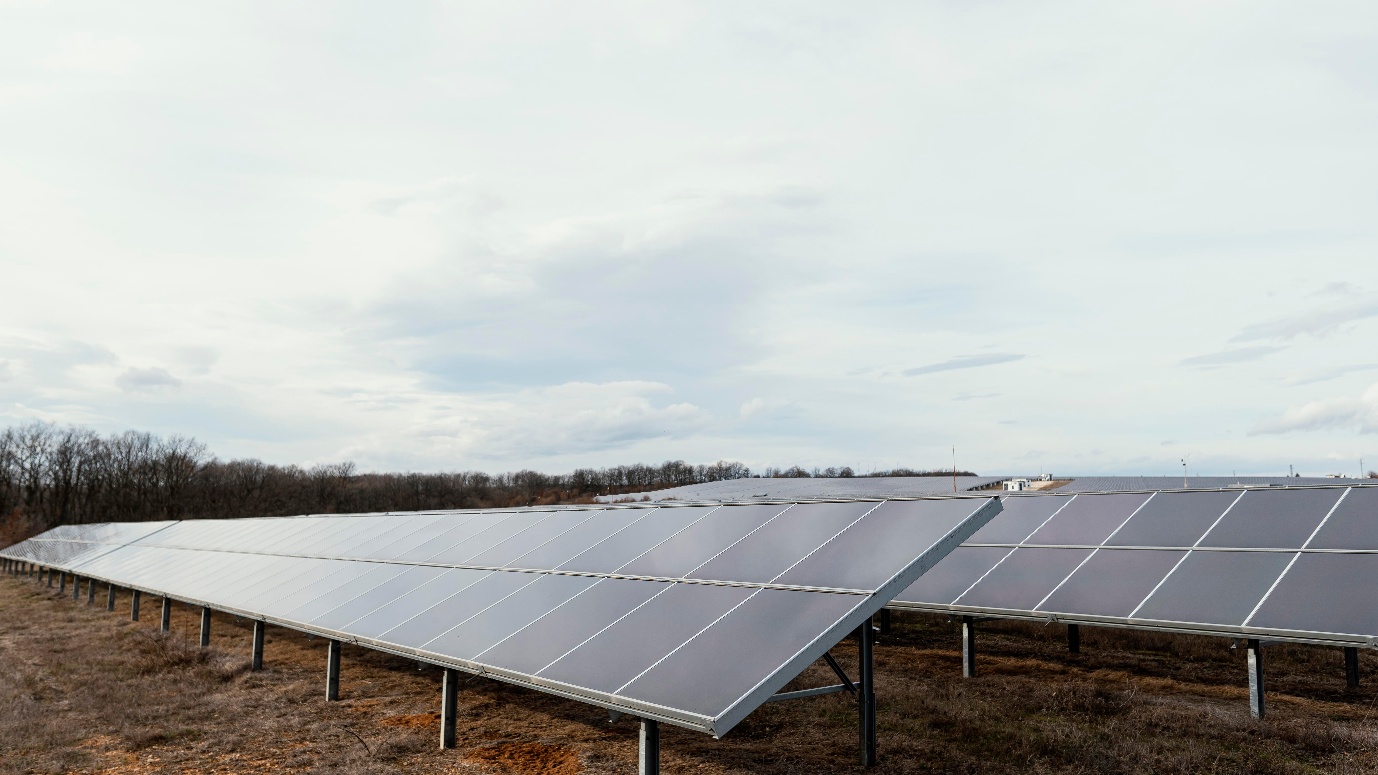
How Micro Inverters Help Maximize Energy Output from Imperfect Solar Panels
Solar panels often face real-world challenges such as dust accumulation, bird droppings, shading, and minor physical damage. These issues can reduce the overall efficiency of a solar power system, including a hybrid solar setup.
This is where micro inverters become highly valuable. Understanding the micro inverter advantages can help homeowners and businesses make smarter hybrid solar investment decisions while improving overall energy output and system reliability.
Why Traditional Inverters Lose Efficiency
In conventional string inverter systems, all solar panels are connected. Because of this configuration, the performance of the entire system depends on the weakest panel. Dirt, shade, or damage on one panel can reduce the output of all connected panels. This is one reason many experts now recommend the best inverter for solar panels based on panel-level optimization.
How Micro Inverters Improve Performance
Micro inverters work independently on each solar panel, allowing every panel to perform at its maximum potential. Key advantages include:
- Better performance during partial shading
- Reduced energy loss from dirty panels
- Improved monitoring for each panel
- Higher overall system efficiency
- Easier maintenance and fault detection
These are some major micro inverter advantages that improve long-term solar energy production.
Comparison: String vs. Micro Inverters
| Feature | String Inverter | Micro Inverter |
|---|---|---|
| Performance Impact from One Weak Panel | High | Very Low |
| Panel-Level Monitoring | Limited | Available |
| Efficiency During Shade or Dirt | Lower | Higher |
| Maintenance Detection | Difficult | Easier |
| System Expansion Flexibility | Moderate | Excellent |
Because of these benefits, many homeowners now search for the best inverter for solar panels before installing rooftop solar systems.
Why Imperfect Panels Still Produce Better with Micro Inverters
Even if some panels are dusty, slightly damaged, partially shaded, or facing different directions, microinverters ensure unaffected panels continue generating power efficiently. This is one of the most practical microinverter advantages in real-world conditions.
Which is the best inverter for solar panels in areas with shading or dust?
Micro inverters are often considered the best inverter for solar panels in such environments because:
- They reduce energy loss caused by individual panel issues.
- They help maintain higher system efficiency over time.
- They provide better monitoring and easier troubleshooting.
For homeowners seeking reliable solar performance, understanding these micro inverter advantages can lead to better energy savings and improved long-term returns.