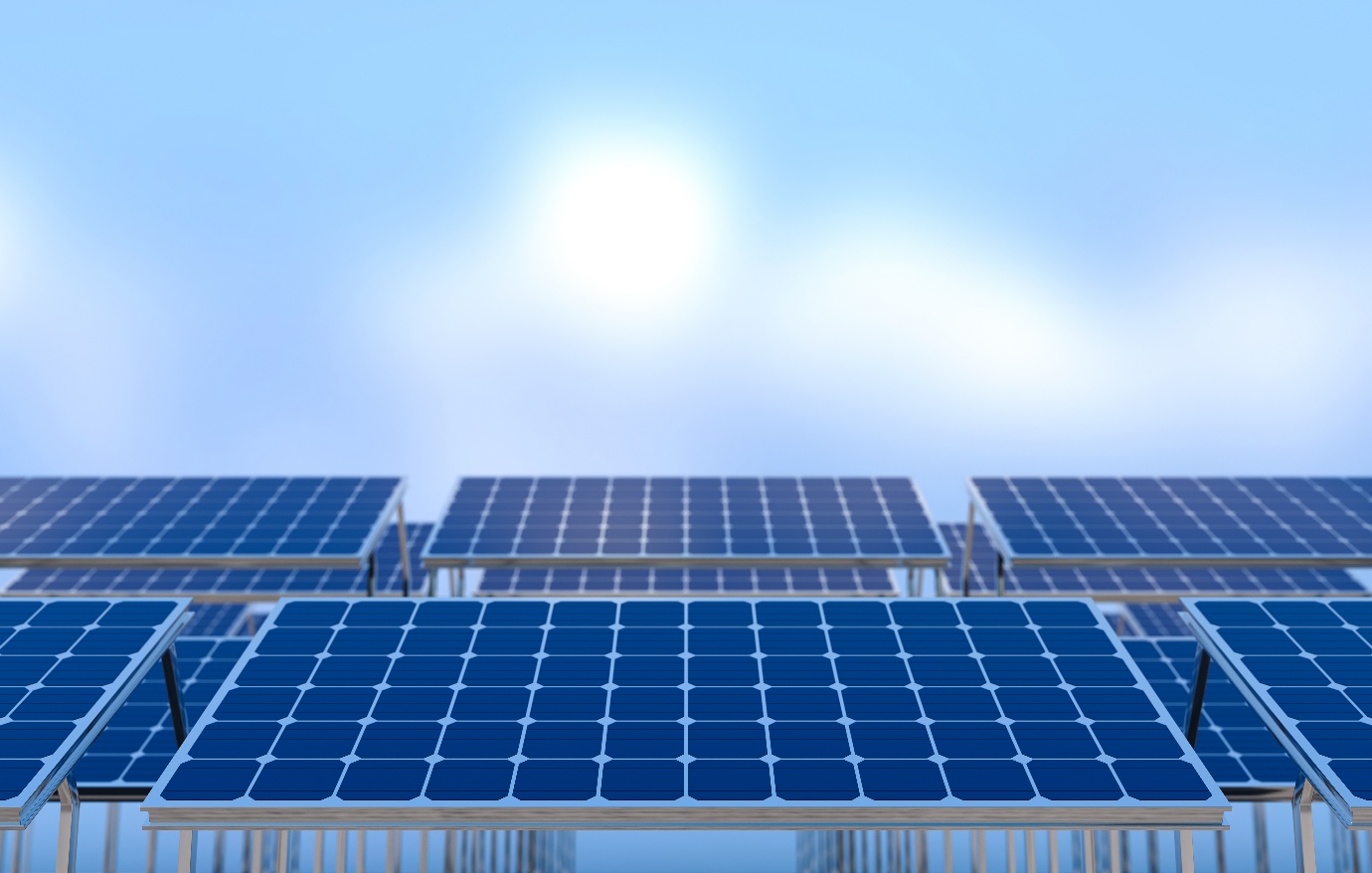
How Modern Solar Systems Prevent Common Failures
Solar energy has become a smart and reliable solution for homes and businesses. With the growth of the best solar technology for homes, modern solar systems are now built to reduce technical difficulties, improve efficiency, and deliver long-term performance. Today’s solar systems use advanced monitoring tools, smart inverters, high-efficiency solar panels, and modern battery storage solutions. These features help homeowners understand how to prevent solar panel failure while ensuring stable energy production throughout the year.
Common Problems in Traditional Solar Systems
Older solar systems often faced several issues, including:
- Low power generation
- Inverter breakdowns
- Battery overheating
- Wiring damage
- Dust accumulation on panels
- Difficulty identifying system faults
Modern solar technologies are designed to solve these problems efficiently.
Types of Modern Solar Systems
Modern on-grid, off-grid, and hybrid systems now include smart technologies that help homeowners understand how to prevent solar panel failure more effectively.
| Solar System Type | Description | Main Benefit |
|---|---|---|
| On-Grid Solar System | Connected to the electricity grid | Reduces electricity bills |
| Off-Grid Solar System | Works independently using batteries | Suitable for remote areas |
| Hybrid Solar System | Combines grid connection and battery backup | Provides power during outages |
How Modern Solar Systems Prevent Failures
1. Smart Solar Monitoring Systems
Modern solar systems include mobile apps and cloud-based monitoring platforms that track energy production in real time. Users receive alerts if performance drops or technical issues occur. This is one reason why many homeowners now search for the best solar technology for homes before installing rooftop systems.
2. Advanced Inverter Protection
Smart inverters automatically regulate voltage fluctuations and prevent overheating. They can detect faults early and reduce the risk of system shutdowns.
3. High-Efficiency Solar Panels
Modern solar panels are built with advanced cell technology that improves durability and minimizes efficiency loss caused by heat, rain, or dust. These innovations also help users learn how to prevent solar panel failure by reducing long-term wear and tear.
4. Improved Battery Management Systems
Hybrid and off-grid systems now use intelligent battery management systems that optimize charging cycles and prevent overcharging or deep discharge.
5. Weather-Resistant Installation Techniques
Modern mounting structures and waterproof wiring systems protect solar installations from heavy rain, humidity, and wind damage, especially in tropical regions like Kerala.
Benefits of Modern Solar Systems
Homeowners investing in the best solar technology for homes can now enjoy reliable energy production with fewer technical problems and greater long-term savings. Key benefits include:
- Better energy efficiency
- Lower maintenance costs
- Longer system lifespan
- Real-time fault detection
- Improved safety and performance
- Reduced electricity bills
- Backup power availability in hybrid systems
How can homeowners reduce solar panel maintenance issues?
Following these steps helps homeowners understand how to prevent solar panel failure and improve overall system performance:
- Clean panels regularly to remove dust and debris
- Monitor system performance through mobile apps
- Schedule professional maintenance inspections
- Use high-quality inverters and batteries
- Avoid shade from nearby trees or buildings
Modern solar technology has significantly improved the reliability and efficiency of solar power systems. Whether it is an on-grid, off-grid, or hybrid setup, advanced monitoring, intelligent inverters, and durable solar panels help prevent common technical failures. As solar adoption continues to grow, investing in the best solar technology for homes ensures long-term energy savings and dependable performance.