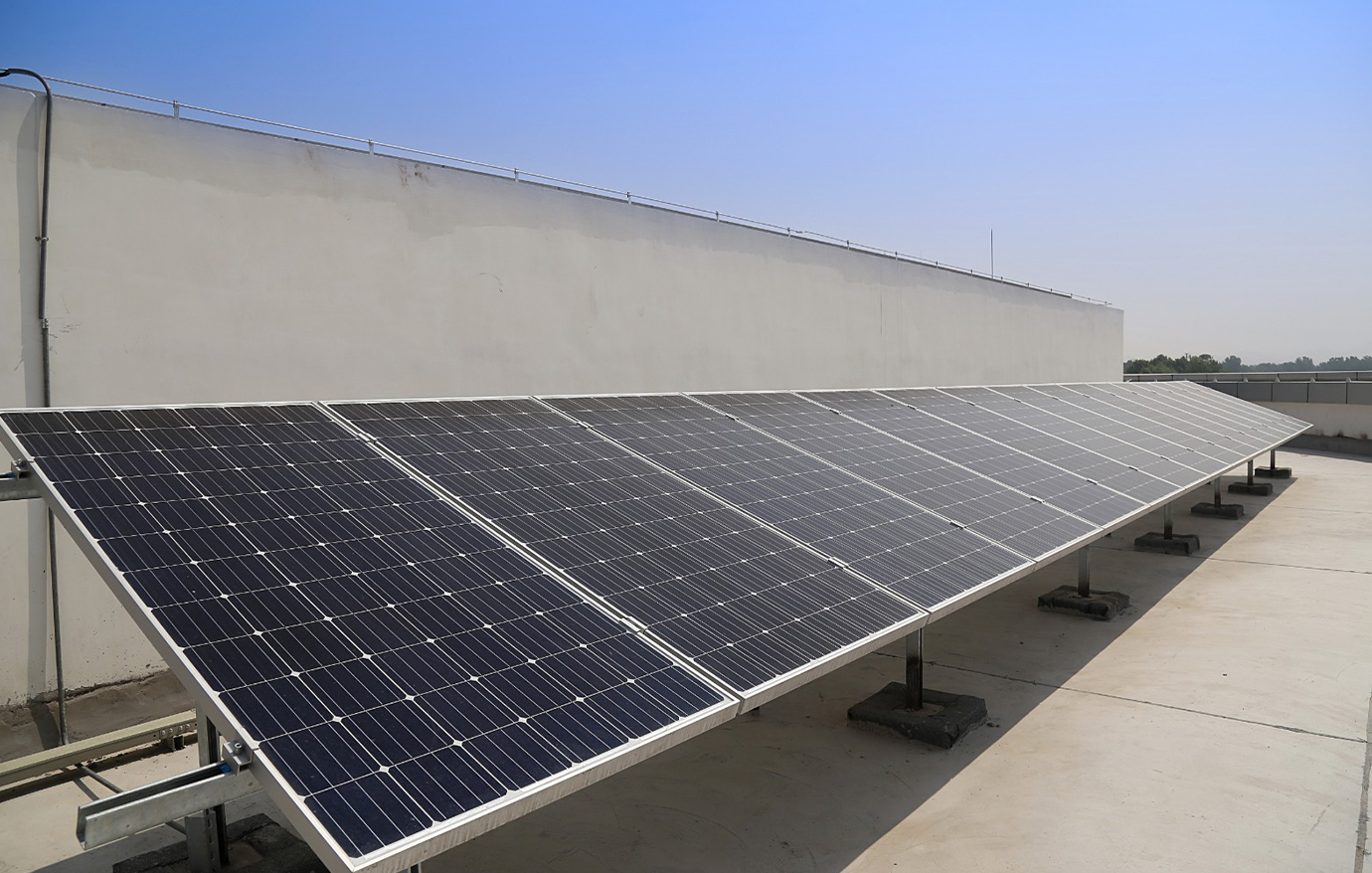
Installing a rooftop solar system is one of the most effective ways to reduce electricity bills and move towards clean, renewable energy. One of the first questions homeowners ask before investing in solar is, "How much roof space is required for solar panels?"
The answer depends on several factors, including your daily electricity consumption, the capacity of the solar system, the efficiency of the panels, and the available roof area. Understanding the Roof Space for Solar Panels before planning a solar installation helps you choose the right system, maximize energy generation, and achieve better long-term savings.
Why Roof Space Matters
The available roof area plays an important role in determining the size of the solar system you can install. Modern solar panels are more efficient than ever, allowing homeowners to generate more electricity even with limited space.
- Available shadow-free roof area
- Roof orientation and tilt
- Structural strength of the roof
- Daily sunlight exposure
- Future electricity requirements
A professional site assessment ensures that your roof space for solar panels is utilised efficiently for maximum performance.
The amount of roof space required varies based on the size of the solar system. The table below provides an approximate estimate of the roof area needed for different rooftop solar system capacities.
| Solar System Capacity | Approximate Roof Space Required | Average Daily Power Generation | Suitable For |
|---|---|---|---|
| 1 kW | 80–100 sq. ft. | 4–5 units | Small homes |
| 2 kW | 160–200 sq. ft. | 8–10 units | 1–2 BHK homes |
| 3 kW | 240–300 sq. ft. | 12–15 units | Average family homes |
| 5 kW | 400–500 sq. ft. | 20–25 units | Large homes |
| 10 kW | 800–1,000 sq. ft. | 40–50 units | Villas, apartments, and commercial buildings |
The exact roof space for solar panels required depends on the type of panels, mounting structure, and overall system design.
Factors That Affect Roof Space
Several factors determine the roof space for solar panels needed for your home:
- Solar Panel Efficiency: High-efficiency panels generate more power using less roof space.
- Roof Orientation: South-facing roofs generally receive better sunlight for higher energy production.
- Roof Design: Flat and sloped roofs require different mounting systems, which can affect space requirements.
- Shading: Trees, nearby buildings, and other obstructions reduce the usable roof area.
- Energy Consumption: Higher electricity usage requires a larger solar system and more roof space.
Can You Install Solar Panels on a Small Roof?
Yes. Modern high-efficiency panels make it possible to install solar systems even on smaller rooftops. A professional solar installation includes a site assessment to optimize the available roof space and maximize energy generation.
Benefits of a Professional Solar Installation
- Lower electricity bills
- Maximum energy generation
- Better use of available roof space
- Longer system lifespan
- Higher return on investment
- Eco-friendly energy solution
Government Subsidy for Rooftop Solar
Eligible residential rooftop solar systems can benefit from government subsidy schemes, making solar installation more affordable.
- Reduces the overall installation cost.
- Available for eligible residential systems.
- Subsidy is processed as per government guidelines.
- Assistance with documentation, application, and net-metering.
- End-to-end support from installation to commissioning.
Understanding the Roof Space for Solar Panels required for your home is the first step toward making an informed investment in renewable energy. Whether you are planning a 2-kW residential system, a hybrid solar system, or a larger rooftop installation, evaluating your roof space helps determine the most suitable solution for your energy needs.
A professionally planned solar installation ensures optimum energy output, reduced electricity costs, and sustained dependability. Combined with the available government subsidy, rooftop solar has become more affordable than ever.