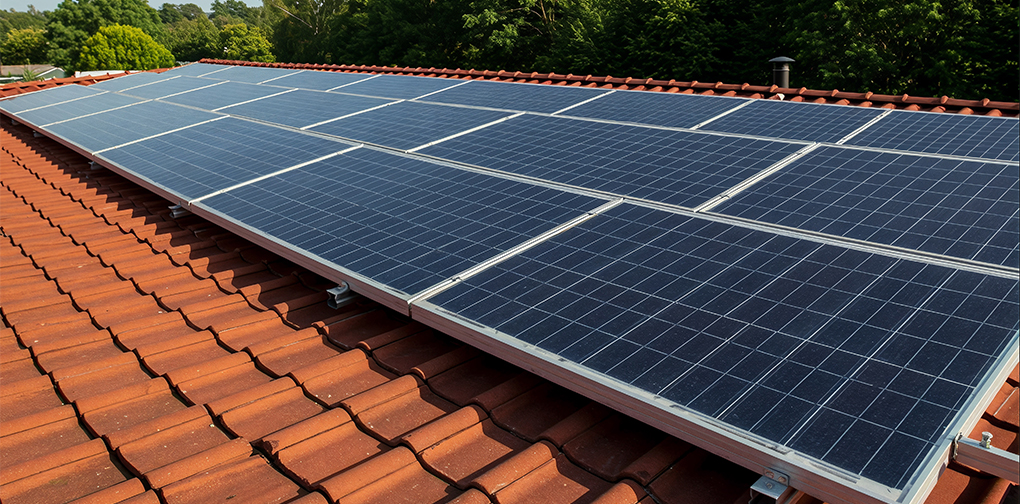
Solar panel roof load capacity is essential to ensure that a building can safely support solar systems. Proper assessment guarantees that rooftop solar installations, including hybrid solar setups, are safe and durable. Key points:
- Check roof load-bearing capacity
- Assess structural strength and durability
- Account for panels, mounts, and micro inverters
- Ensure compliance with engineering standards
This ensures reliable and secure rooftop solar installations.
Can a Roof Support the Weight of Solar Panels?
Yes, most roofs can support solar panels, but only after proper evaluation. Factors considered in assessing solar panel roof load capacity include:
- Type of roof structure (RCC, steel, or truss)
- Age and condition of the building
- Existing load already acting on the roof
- Weight of solar panels and mounting structures
- Wind and environmental forces
- Roof slope and orientation, which affect load distribution
A detailed assessment ensures safe and reliable rooftop solar installations.
How to Calculate Roof Load Capacity?
Calculating solar panel roof load capacity involves engineering evaluation and structural calculations. Key steps include:
- Reviewing structural drawings of the building
- Determining allowable dead and live loads
- Calculating the weight of solar panels and mounting systems
- Evaluating wind and seismic loads
- Adding safety margin for durability and unforeseen stresses
- Consulting certified engineers for final verification
This ensures that rooftop solar installations are safe and compliant.
Typical Load Values for Rooftop Solar Systems
| Load Type | Description | Approximate Value |
|---|---|---|
| Dead Load | Weight of solar panels and mounting frame | 15–25 kg/m2 |
| Live Load | Maintenance and temporary access | 10–15 kg/m2 |
| Wind Load | Wind pressure and uplift forces | Site dependent |
| Safety Margin | Extra allowance for durability | As per standards |
Using this data ensures that solar panel roof load capacity is within safe limits for all rooftop solar installations.
A professional evaluation ensures:
- Accurate calculation of solar panel roof load capacity
- Safe distribution of loads across the roof
- Protection of roof waterproofing and structure
- Compliance with local codes and standards
- Long-term structural safety for rooftop solar installations
Assessing solar panel roof load capacity is a critical step before installing any solar power system. A thorough evaluation ensures that rooftop solar installations, including systems with microinverters, are safe, structurally sound, and efficient, safeguarding both the building and your investment.