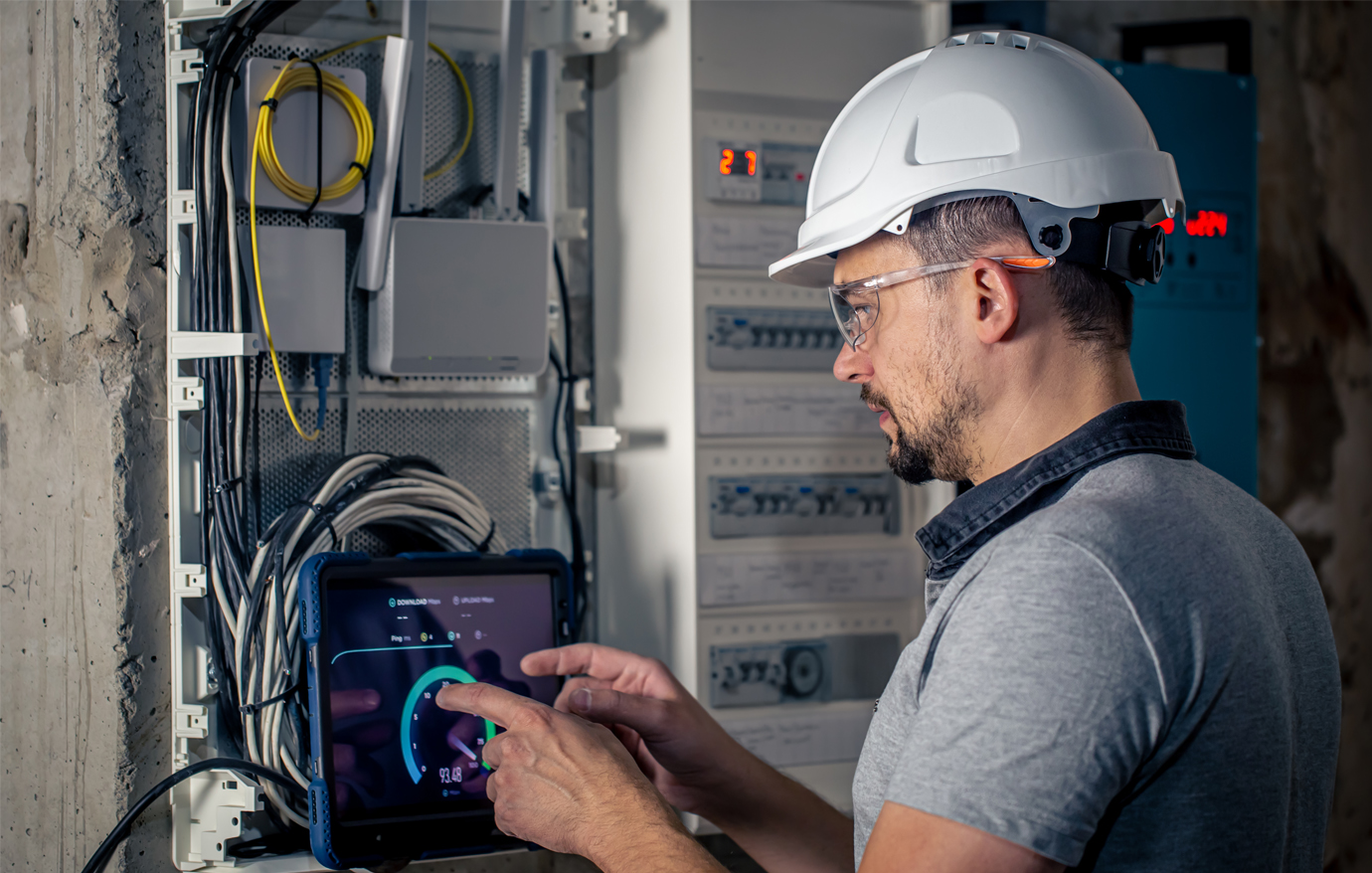
Electrical Safety Measures for Solar Systems During the Monsoon Season
The monsoon season brings heavy rainfall, increased humidity, and occasional lightning, making electrical safety a top priority for solar system owners. Whether you have an on-grid or hybrid solar systems infrastructure, taking preventive measures can help protect your equipment and ensure reliable performance throughout the rainy months. Following proper monsoon electrical safety practices and regular monsoon solar panel maintenance can significantly reduce the risk of electrical faults and system downtime.
Why Electrical Safety Matters During Monsoon
- Rain and humidity can affect solar system electrical components.
- Moisture exposure may lead to short circuits and electrical faults.
- Lightning and power surges can damage inverters and other equipment.
- Regular maintenance helps prevent weather-related electrical issues.
- Hybrid solar systems require extra protection due to batteries and additional electrical components.
- Proper safety measures ensure reliable and uninterrupted power generation.
- Routine inspections help improve system performance and longevity.
Essential Electrical Safety Measures
- Inspect all electrical connections before and during the monsoon season.
- Check solar cables for signs of wear, cracks, or exposed wiring.
- Ensure junction boxes and connectors are properly sealed against water ingress.
- Verify that the inverter and battery systems in hybrid solar systems installations are located in dry, well-ventilated areas.
- Test earthing and grounding systems regularly to enhance monsoon electrical safety.
- Install surge protection devices to protect against lightning-induced voltage spikes.
- Keep drainage areas around the solar installation clear to prevent water accumulation.
- Monitor system performance and address warning alerts promptly.
- Schedule professional inspections as part of your monsoon solar panel maintenance routine.
- Ensure battery enclosures in hybrid solar systems are protected from excessive moisture.
Monsoon Risk & Solution Assessment
| Risk | Impact | Recommended Solution |
|---|---|---|
| Water ingress | Electrical short circuits | Waterproof all electrical enclosures |
| Lightning strikes | Damage to inverters and batteries | Install surge protection devices |
| Loose connections | Reduced system efficiency | Perform regular inspections |
| High humidity | Corrosion of electrical components | Ensure proper weatherproofing |
| Water pooling | Safety hazards and equipment damage | Maintain proper drainage |
Benefits of Regular Monsoon Maintenance
- Enhances system reliability during rainy weather.
- Reduces the likelihood of electrical failures.
- Protects critical components in on-grid and hybrid solar systems.
- Extends the lifespan of solar panels, inverters, and batteries.
- Supports effective monsoon electrical safety practices.
- Improves overall energy generation and system performance.
- Makes monsoon solar panel maintenance more effective and proactive.
Why is monsoon electrical safety important for solar systems?
- It helps prevent electrical faults caused by moisture, lightning, and water exposure.
- It protects expensive solar equipment.
- It reduces safety risks for homeowners and businesses.
- It improves long-term system reliability.
- It ensures uninterrupted power generation.
Monsoon weather should not prevent your solar system from delivering reliable performance. By following proper monsoon electrical safety measures and carrying out regular monsoon solar panel maintenance, homeowners and businesses can protect both on-grid and hybrid solar systems from seasonal challenges. A proactive approach to safety and maintenance ensures efficient power generation, protects valuable equipment, and provides peace of mind throughout the rainy season.