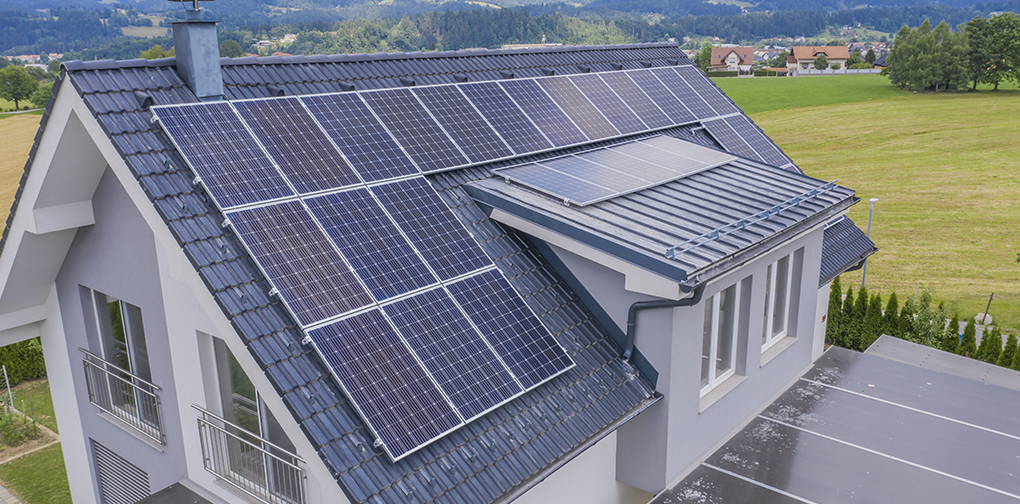
Solar power is becoming an increasingly practical option for homes looking to reduce their dependence on conventional electricity. But choosing solar panels is only one part of the process. The type of solar system also plays an important role in how your home generates, uses, and manages electricity.
Two popular residential options are an on-grid solar system and a hybrid solar system. Understanding how each works can help you choose a setup that matches your home's energy requirements.
Understanding the Two Solar Systems
An on-grid solar system is connected to the electricity grid. Solar panels generate electricity during the day, and the home can use power from the grid when solar generation is insufficient.
A hybrid solar system combines solar panels, battery storage, and grid connectivity. Excess solar energy can be stored in batteries and used later when required.
On-Grid Solar System: Key Features
An on-grid system can be a practical choice for homes with a dependable grid connection.
- • Works alongside the electricity grid
- • Usually does not require battery storage
- • Generally, has a lower upfront cost
- • Requires relatively simple maintenance
- • Helps reduce electricity drawn from the grid
- • Makes effective use of daytime solar generation
- • Surplus electricity may be exported to the grid, subject to applicable regulations.
Hybrid Solar System: Key Features
A hybrid system adds battery storage to the solar setup, giving homeowners more flexibility in managing their energy.
- • Stores excess solar energy
- • Stored power can be used later.
- • Can provide backup power, depending on system configuration
- • Useful during power interruptions
- • Supports greater flexibility in energy management
- • Can reduce dependence on grid electricity when stored energy is available
- • Generally, involves a higher initial investment
On-Grid vs Hybrid Solar System
| Feature | On-Grid Solar System | Hybrid Solar System |
|---|---|---|
| Grid connection | Yes | Yes |
| Battery storage | Usually No | Yes |
| Stores excess energy | No | Yes |
| Backup capability | Generally, No | Yes, depending on configuration |
| Initial investment | Generally lower | Generally higher |
| Energy flexibility | Standard | Higher |
Factors to Consider Before Choosing
The right system depends on your home's electricity requirements and everyday usage.
Electricity consumption
- Check your monthly electricity bills.
- Identify your major power-consuming appliances
- Consider daytime and night-time usage.
- Think about future increases in consumption.
Power availability
- Consider how frequently power interruptions occur.
- Identify essential appliances that need backup
- Decide whether battery storage would be useful.
Budget
- Compare the initial investment
- Consider the additional cost of battery storage.
- Look at your long-term energy requirements.
Roof conditions
- Check available roof space
- Identify shaded areas
- Consider roof orientation and condition
- Select an appropriate system capacity
Making the Right Choice
There is no single solar setup that suits every household. Your electricity consumption, grid reliability, roof space, budget, and backup requirements should all be considered before installation.
For some homes, an on-grid system may provide a simple way to make use of solar power. For others, the additional storage offered by a hybrid system may better match their energy needs.
Both on-grid and hybrid solar systems offer practical ways to use solar energy at home. An on-grid system focuses on solar generation with grid connectivity, while a hybrid system adds battery storage for greater flexibility and backup capability.
Understanding your current electricity usage and future energy needs can help you select a solar solution that is well suited to your home.