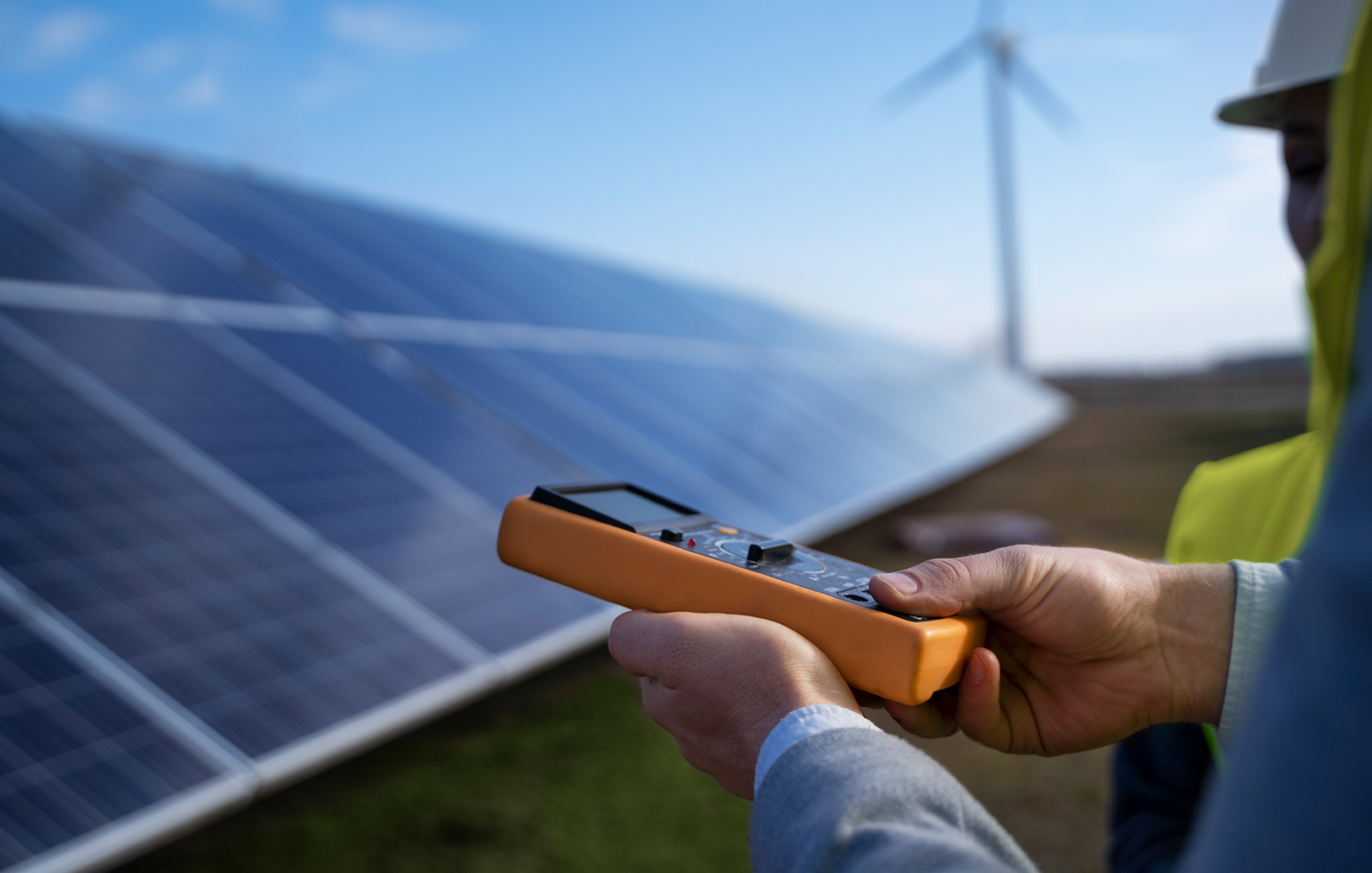
Solar panels perform best when they receive consistent sunlight throughout the day. However, Solar panel shading caused by trees, nearby buildings, water tanks, or other rooftop structures can reduce energy generation.
For rooftops where shading cannot be completely avoided, choosing the right inverter technology can make a difference. A microinverter for solar panels allows individual panels to operate independently, making it a suitable option for certain shaded rooftop installations.
How Solar Panel Shading Affects Performance
Even partial shade can affect the electricity produced by a solar panel. Common sources include:
- Trees and surrounding buildings
- Water tanks and rooftop structures
- Chimneys and antennas
- Different roof sections
- Shadows that move during the day
The impact depends on the location, duration, and extent of the shade.
How Micro Inverters Help
A micro inverter for solar panels works with individual panels rather than connecting several panels to one central inverter.
This can provide several advantages:
- Each panel can operate independently.
- Shading on one panel has less impact on other panels.
- Panel-level performance can be monitored.
- Different panel orientations can be accommodated more easily.
- Complex rooftop layouts can be designed with greater flexibility.
It is important to note that microinverters do not eliminate Solar panel shading. Instead, they help limit the effect of reduced output from one panel on the rest of the system.
Comparison: Micro Inverters vs. String Inverters
| Feature | Micro Inverters | String Inverters |
|---|---|---|
| Panel operation | Individual | Group of panels |
| Panel-level monitoring | Available | Generally limited |
| Partial shading | Better suited | More dependent on system design |
| Complex rooftops | More flexible | Requires careful planning |
| Installation | Panel level | Centralized |
When Can Micro Inverters Be Useful?
A micro inverter for solar panels may be worth considering when:
- Parts of the roof receive shade during the day.
- Panels need to be installed in different directions.
- The roof has multiple sections.
- Panel-level monitoring is preferred.
- The system has varying sunlight conditions.
For a simple rooftop with consistent sunlight, a string inverter may also be a practical choice. The right option depends on the overall system design.
Ways to Reduce Solar Panel Shading
Good planning can help minimize the impact of Solar panel shading:
- Conduct a shade assessment before installation.
- Identify permanent and moving shadows.
- Plan panel placement carefully.
- Avoid unnecessary rooftop obstructions.
- Consider roof orientation and panel positioning.
- Select inverter technology according to site conditions.
- Monitor system performance regularly.
Key Benefits at a Glance
Choosing a micro inverter for solar panels can offer:
- Independent panel operation
- Better flexibility for rooftop design
- Panel-level monitoring
- Improved management of varying sunlight conditions
- Easier identification of individual panel issues
Solar panel shading is an important factor to consider when planning a rooftop solar system. While shading cannot always be avoided, the right system design can help manage its effect on energy generation.
A micro inverter for solar panels can be particularly useful for rooftops with partial shading, multiple orientations, or complex layouts. By allowing individual panels to operate independently, micro inverters provide greater flexibility and better visibility into panel-level performance.
A professional site assessment can help determine whether a microinverter or another inverter configuration is the right choice for your solar installation.