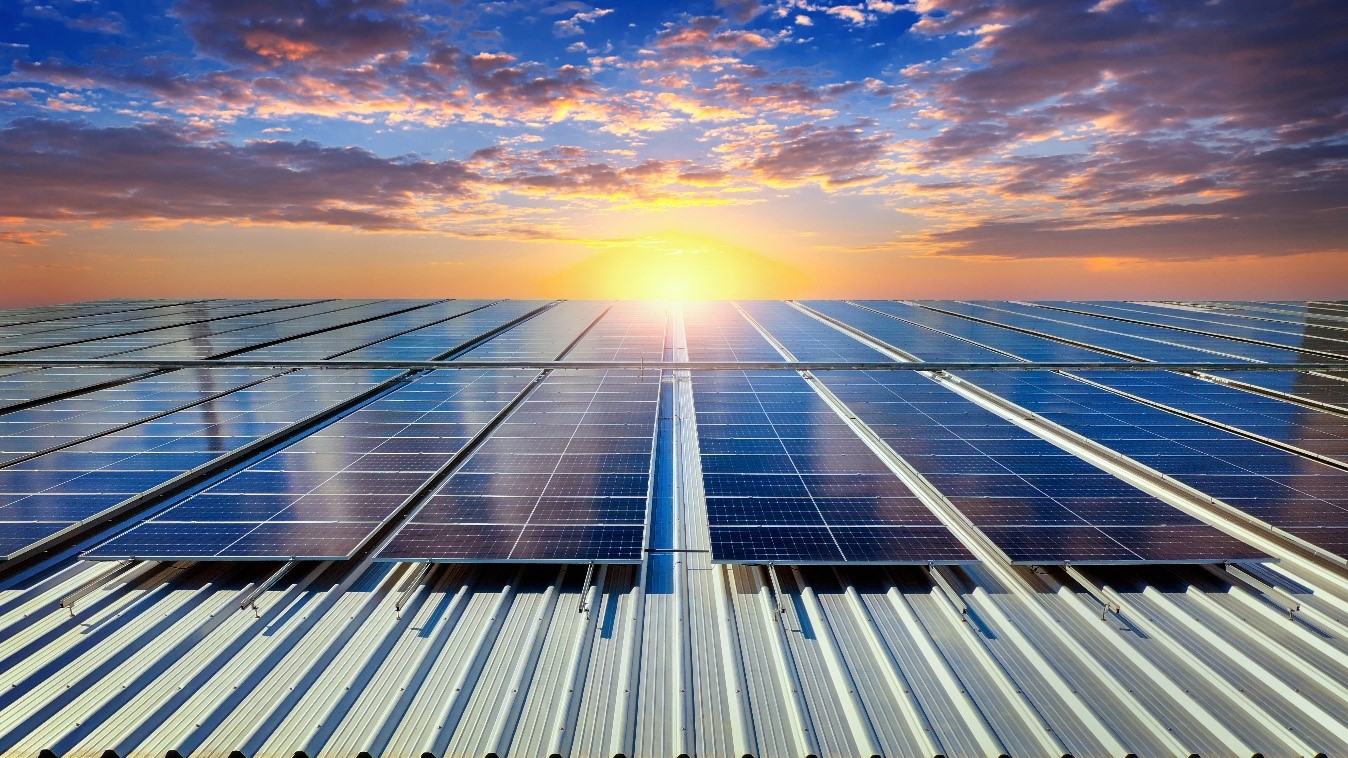
Kerala has consistently focused on social progress and environmental responsibility. However, rising electricity consumption, climate-related risks, and dependence on conventional energy sources make sustainable power solutions essential. In this transition, solar energy in Kerala plays a central role in building a resilient and future-ready economy.
Why Sustainable Energy Is Crucial for Kerala
Kerala faces several structural and environmental challenges:
- Increasing residential electricity demand
- Growth in commercial infrastructure and tourism
- Rising electricity tariffs
- Climate vulnerabilities such as floods and extreme rainfall
- Limited land availability for large power projects
The expansion of solar energy in Kerala helps address these challenges while ensuring long-term stability.
Environmental Impact of Solar Energy
Solar power contributes to sustainable development by:
- Reducing greenhouse gas emissions
- Lowering fossil fuel dependence
- Supporting cleaner air quality
- Minimizing environmental degradation
- Strengthening climate resilience strategies
Greater adoption of solar energy in Kerala supports eco-friendly development without compromising growth.
Economic Benefits for Households & Businesses
Solar adoption creates measurable financial advantages:
- Lower monthly electricity bills
- Protection against tariff fluctuations
- Long-term return on investment
- Increased property value
- Job creation in installation and maintenance sectors
As adoption increases, solar energy in Kerala strengthens both economic and environmental sustainability.
The Importance of Rooftop Solar Systems
A practical solution for urban and semi-urban areas is rooftop solar installation in Kerala, which allows energy production without requiring additional land.
- Efficient use of unused roof space
- Suitable for homes, apartments, schools, hospitals, and resorts
- Reduced dependency on the grid
- Access to net metering benefits
- Lower transmission losses
The steady growth of rooftop solar installation in Kerala reflects the state’s commitment to decentralized clean energy production.
Role of Advanced Inverter Technology
Modern solar systems are becoming smarter and more efficient with advanced inverter technologies.
Micro Inverters
- Installed on each individual solar panel
- Improve performance when panels face shading issues
- Increase overall system efficiency
- Allow panel-level monitoring
- Enhance safety and reliability
Microinverters are particularly beneficial for residential rooftop solar installations in Kerala, where roof angles and partial shading are common.
Hybrid Inverters
- Combine solar generation with battery storage
- Allow energy storage for backup use
- Support uninterrupted power supply
- Ideal for areas with occasional power cuts
- Improve energy independence
Hybrid systems further strengthen the impact of solar energy in Kerala, especially in regions requiring backup solutions.
| Aspect | Conventional Electricity | Solar Energy |
|---|---|---|
| Energy Source | Fossil fuels | Sunlight |
| Carbon Emissions | High | Very Low |
| Cost Stability | Tariff-dependent | Long-term savings |
| Sustainability | Non-renewable | Renewable |
| Energy Independence | Limited | High with hybrid systems |
The expansion of rooftop solar installation in Kerala reduces grid pressure and improves distributed energy security.
Long-Term Development Impact
Wider adoption of solar energy in Kerala supports:
- Smart city development
- Green building certifications
- Sustainable tourism infrastructure
- Energy-secure communities
- Reduced carbon footprint state-wide
Increased rooftop solar installation in Kerala ensures balanced growth that aligns economic development with environmental responsibility.
Is solar energy reliable in Kerala’s weather conditions?
- Yes. Despite monsoon seasons, Kerala receives adequate annual sunlight.
- Modern panels are designed to perform efficiently even under diffused sunlight.
- Microinverters improve output in partially shaded conditions.
- Proper system design ensures stable annual energy generation.
Is rooftop solar installation in Kerala financially practical?
- Initial investment is required, but long-term savings are significant.
- Government subsidies reduce upfront cost.
- Net metering helps offset electricity bills.
- Hybrid inverters provide backup, reducing generator expenses.
- Return on investment typically improves over time.
Sustainable development in Kerala depends on responsible energy transformation. By expanding solar energy in Kerala and promoting rooftop solar installation in Kerala, the state can build a cleaner, economically stable, and environmentally resilient future powered by modern technologies like microinverters and hybrid inverters.