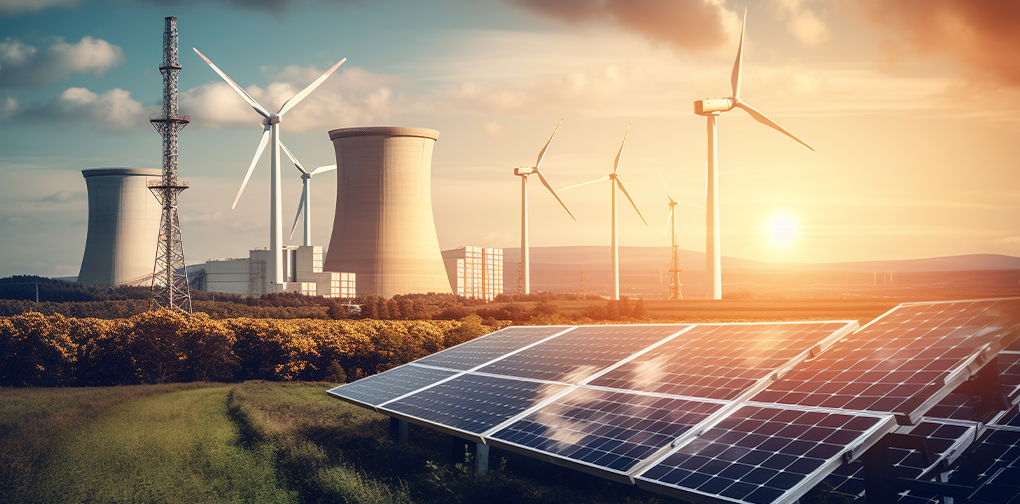
Solar panels convert sunlight into electricity using photovoltaic cells. However, the amount of electricity produced changes throughout the day depending on sunlight intensity, weather, panel position, shading, and other conditions.
How Solar Panels Generate Electricity
Solar panels use photovoltaic cells to convert sunlight into electrical energy. The generated electricity passes through an inverter and is converted into usable power for homes and businesses.
- Sunlight reaching the solar panels
- Photovoltaic cells absorbing solar energy
- Conversion of sunlight into electricity
- The inverter converting DC power into usable AC power
- Electricity being supplied to connected appliances and equipment
The level of solar panel electricity generation depends mainly on the amount and intensity of sunlight available.
How Solar Power Generation Changes Throughout the Day
Solar generation changes as the sun moves across the sky.
- Morning: Generation starts at a lower level as sunlight becomes available.
- Late morning: Production gradually increases as sunlight becomes stronger.
- Midday: Stronger and more direct sunlight generally supports higher electricity production.
- Afternoon: Generation gradually decreases as the sun moves lower in the sky.
The amount of solar panel electricity generation can also depend on:
- Sunlight intensity
- Cloud cover
- Panel orientation
- Panel angle
- Shading
- Temperature
- Season
- System design
Peak generation does not always occur exactly at noon. It can vary depending on location, weather, season, and the design of the solar installation.
Factors That Affect Solar Panel Electricity Generation
Daily solar output can change because of several environmental and system-related factors.
| Factor | Effect on Generation |
|---|---|
| Sunlight intensity | Stronger sunlight generally increases electricity production |
| Weather | Clouds and rain can reduce output |
| Shading | Trees and buildings can block sunlight |
| Panel orientation | Proper positioning improves sunlight exposure |
| Panel cleanliness | Dust and dirt can affect performance |
| Temperature | High temperatures can influence panel efficiency |
| Season | Daylight hours and sunlight intensity change throughout the year |
How to Make Better Use of Solar Energy
Understanding solar power generation patterns can help users plan their electricity consumption.
- Use high-energy appliances during productive daylight hours.
- Run water pumps when solar generation is available.
- Schedule suitable household activities during the day.
- Monitor daily electricity production.
- Keep panels clean.
- Remove avoidable sources of shading.
- Check system performance regularly.
- Use available solar electricity efficiently.
Why Solar Generation Monitoring Matters
Monitoring helps users understand the performance of their solar system.
- Track daily electricity production
- Identify peak generation periods
- Compare generations on different days
- Understand the effect of weather
- Identify unusual changes in output
- Plan daytime electricity usage
Regular monitoring and proper service can also support the long-term performance of a solar installation.
Can Solar Panels Generate Electricity on Cloudy Days?
- Available daylight
- Cloud thickness
- Panel efficiency
- Weather conditions
- System design
Solar electricity production naturally changes throughout the day. Solar panel electricity generation is influenced by sunlight, weather, shading, panel orientation, temperature, and seasonal conditions.
- Plan electricity consumption better
- Make greater use of daytime solar energy
- Monitor system performance
- Identify changes in generation
- Get better value from their solar investment